A home clothes conveyor needs space for the equipment, moving clothing and everyday access. This guide helps homeowners and designers prepare measurements before choosing a mounting arrangement. Fresh USA can review your home clothes conveyor project using photographs, a dimensioned sketch and the required garment capacity.
A clothes carousel for home moves garments around a powered track. Successful installation starts with the room rather than a model name. Compare equipment on the closet carousel models and options; use this page to prepare the site information and questions needed for a practical installation review.
Start your home clothes conveyor plan with clear room width, depth and ceiling height. Measure between finished surfaces and record any changes in height. A sloped ceiling, beam, soffit or stair underside may limit garment movement even when the overall room appears large.
Draw the position of doors, windows, existing shelving and electrical outlets. Note whether cabinets project into the space. A residential conveyor must fit the usable area after these obstacles are considered, so send several photographs as well as the basic dimensions.
Measure narrow openings and delivery access.
Show door swings and drawers in their open position.
Mark fixed shelves, lighting and low ceiling sections.
Record the longest clothes you intend to hang.
Identify the preferred operating position.
Clothes carousel by Fresh USA
Allow Room for Moving Garments
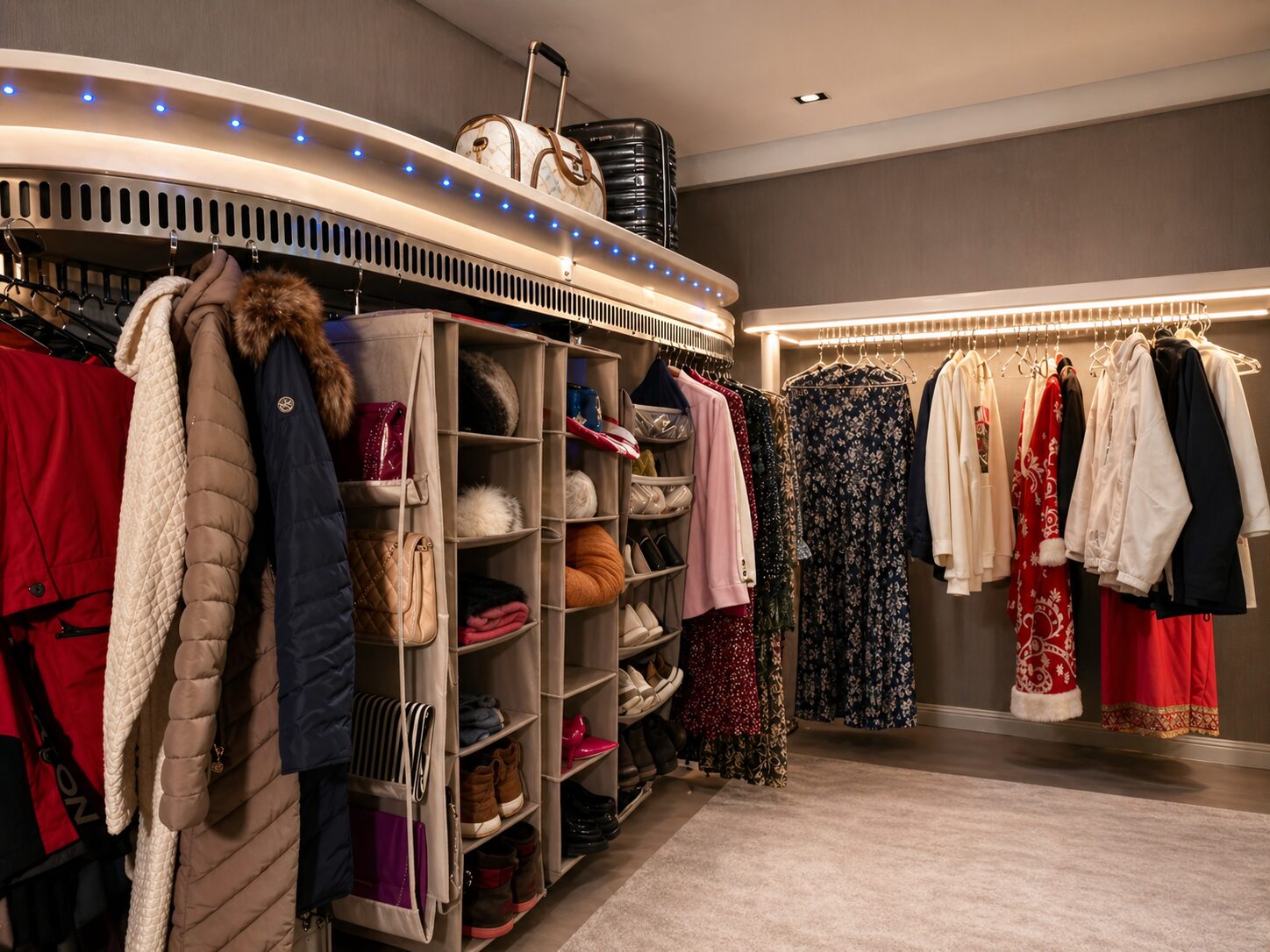
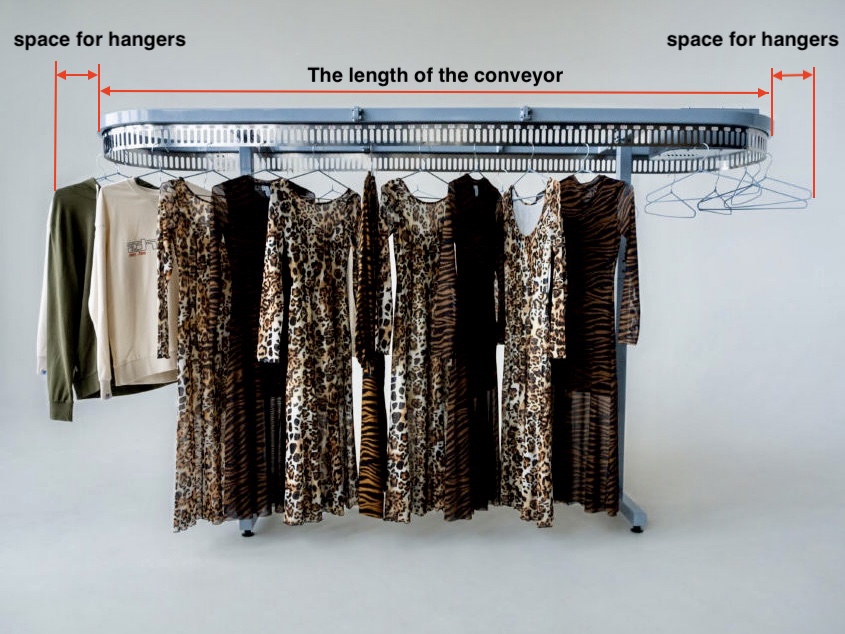
The equipment footprint is only one part of a home clothes conveyor installation. Clothing extends beyond the hanger position and moves around the track. Coats, sleeves, bags and hanging organizers can create a larger envelope than the empty mechanism.
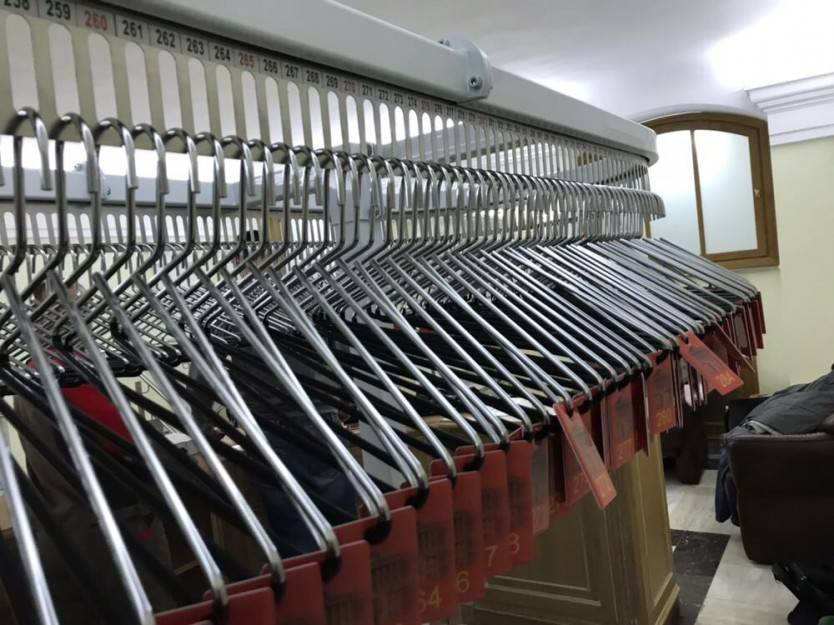
Existing Fresh USA guidance uses approximately 9 inches of preliminary hanger clearance on each side. Treat that as a planning reference. Final residential conveyor clearance depends on garment size, accessories and the approved configuration; do not use a preliminary allowance as a final construction drawing.
Keep a separate walking area for dressing and loading. Measure with doors and storage drawers open. The closet carousel layout guide explains how to compare the moving envelope with the circulation area.
Clothes Carousels from Fresh USA
Home Conveyor Mounting and Support
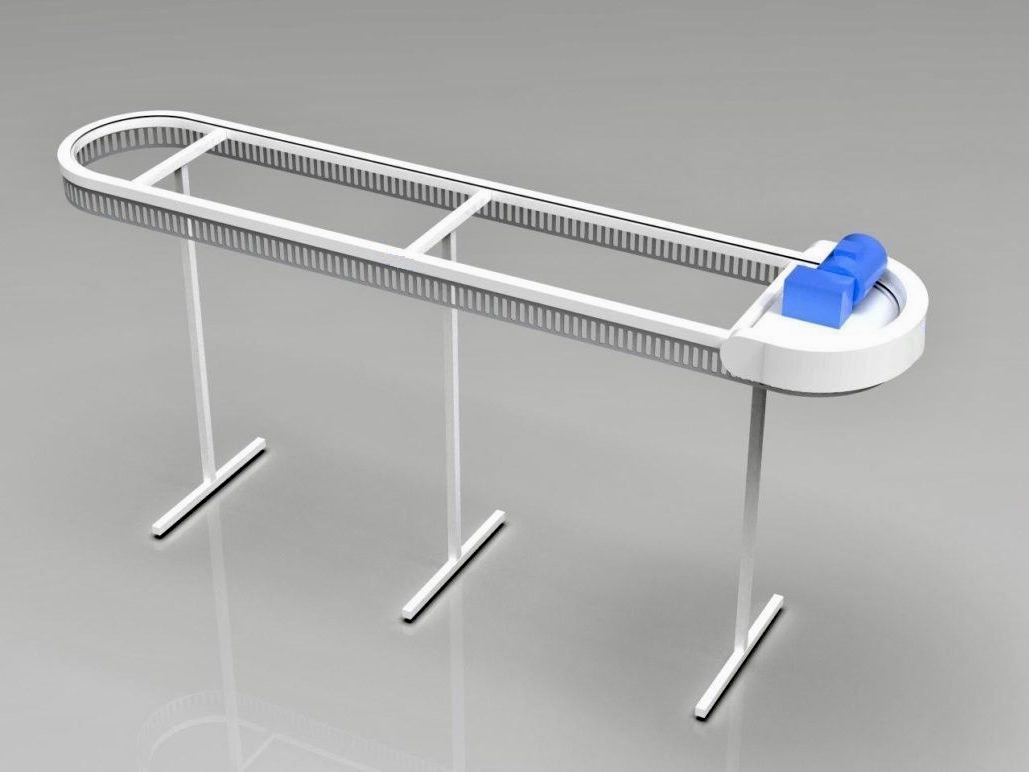
A home clothes conveyor may use ceiling, floor or shelf-style support depending on the selected model. Identify the available structural support before assuming that an existing wall or ceiling can carry the installation. Send information about the construction to the installer and Fresh USA.
Support approach
What to identify
Who reviews preparation
Ceiling-supported
Structural support and ceiling changes
Relevant contractor or installer
Floor-supported
Footprint, floor condition and access
Installer
Shelf-style
Suitable supports and clothing route
Fresh USA and installer
The customer’s contractor or installer should confirm structural preparation and any building requirements. A residential conveyor quote should identify the selected mounting arrangement and clarify who is responsible for site preparation.
The Sizes of the Cells of the Clothes Conveyors
Home Conveyor Power and Controls
Locate the intended power connection and operating point. Confirm the electrical requirements from the documentation for the quoted home clothes conveyor configuration. Avoid planning power from an unrelated model or from an older description.
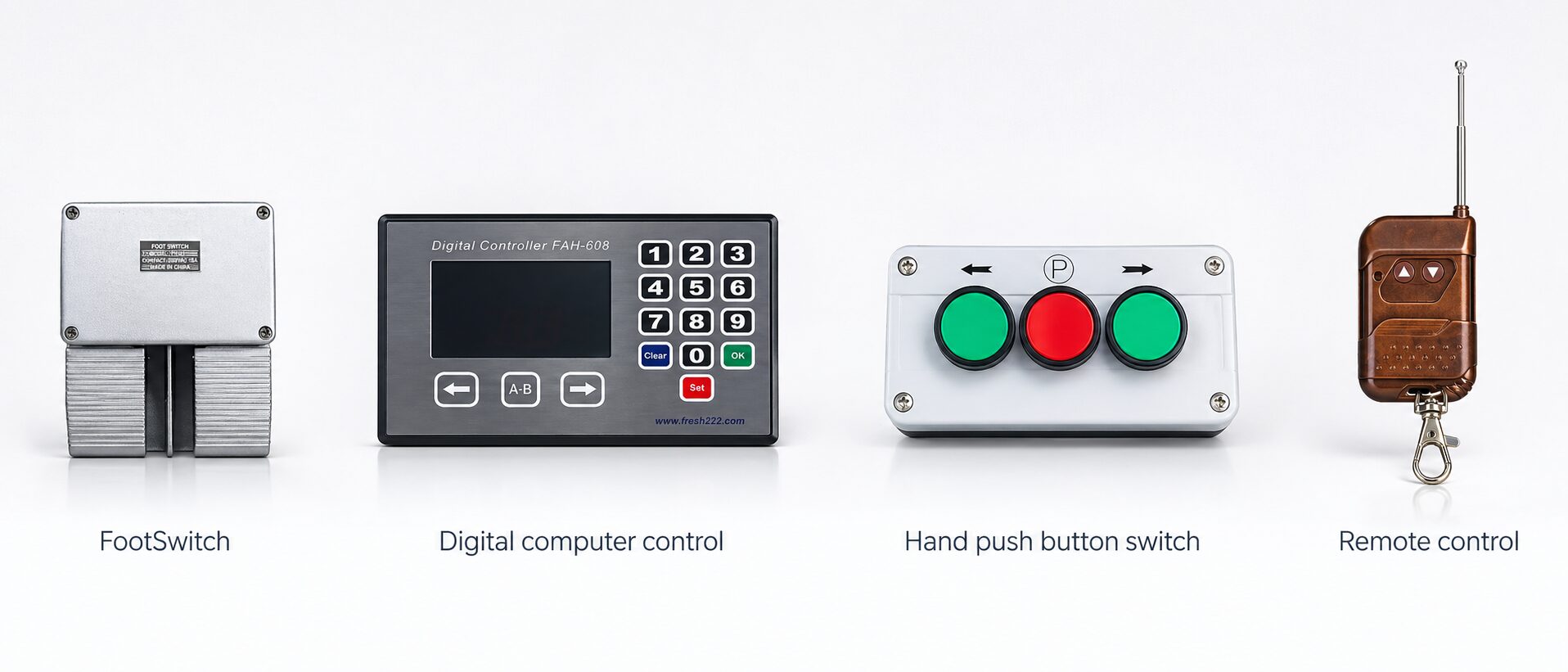
Standard buttons, remote control and foot pedal options should be confirmed during equipment selection. Think about where you will stand, how you will load clothing and whether a pedal would obstruct the walkway. A residential conveyor should be convenient to operate from the planned access area.
Keep cables, controls and the operating position clear of moving clothing. Discuss any additional switching or integration request separately; the availability of a remote does not establish compatibility with a home automation platform.
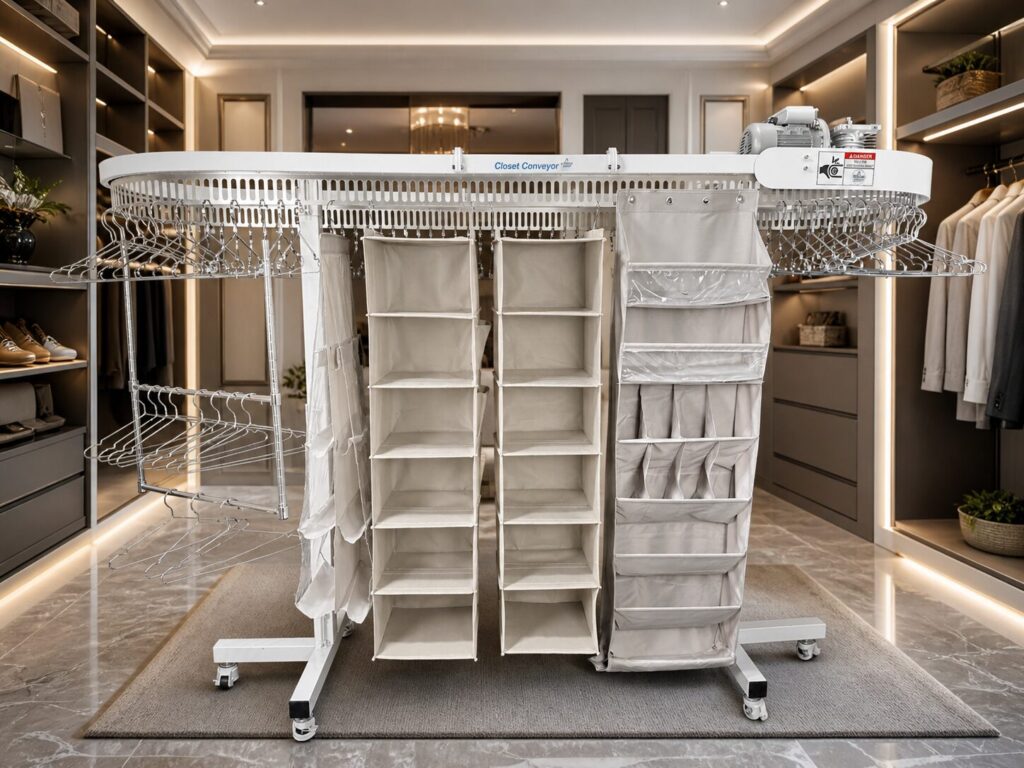
Rotating Clothes Carousel I-Shape and Shelf Clothes Carousel
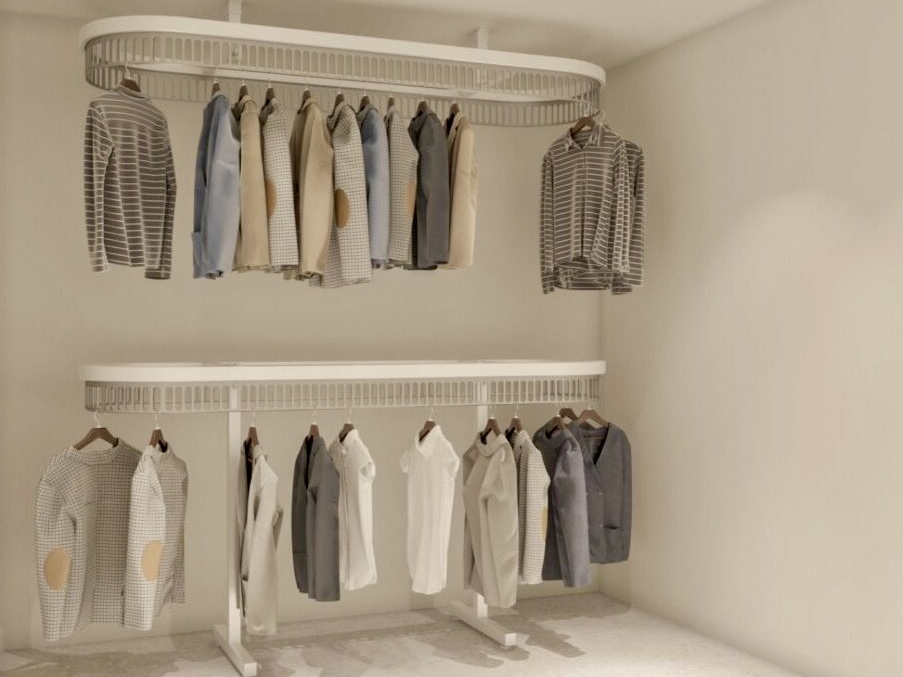
Use Vertical Space Carefully
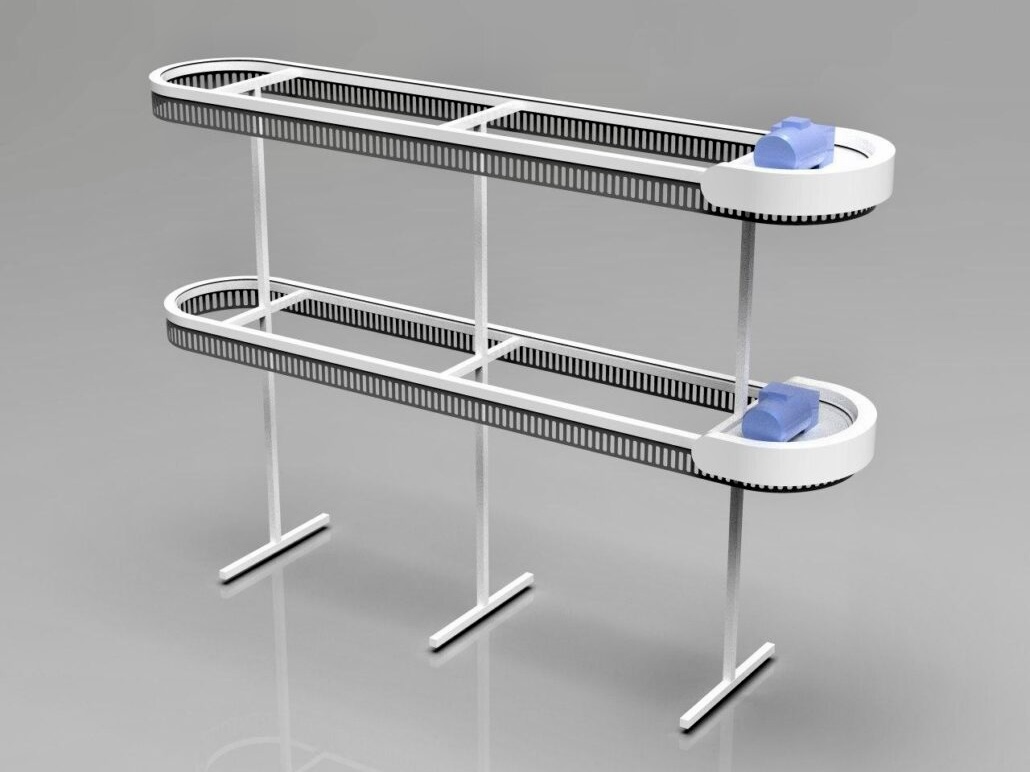
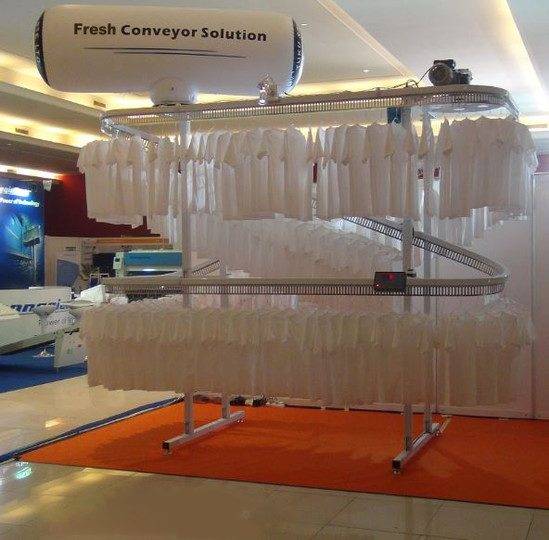
Additional height can make a two-tier arrangement worth evaluating. Measure the longest garment and the available height at every point along the proposed route. The home clothes conveyor must provide suitable hanging space and access on each level.
A loft or attic may have enough height in the center but insufficient clearance near the edges. For difficult rooms, review the smart storage ideas for difficult spaces before selecting equipment. Fixed storage may remain useful in areas that cannot accommodate moving garments.
rotating clothes carousel H-Shape
Prepare Installation and Delivery Access
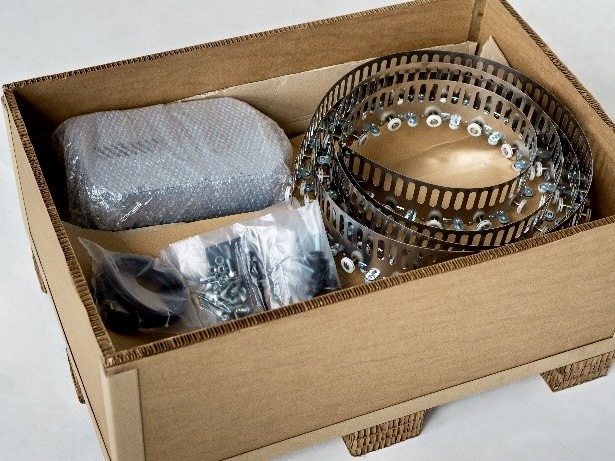
Before ordering a residential conveyor, check how components will enter the property and reach the wardrobe. Record stairs, turns, narrow doors and access restrictions. Clarify the quoted delivery and assembly scope before making arrangements with a contractor.
Plan the sequence of site preparation, equipment assembly, controls and surrounding cabinetry. A home clothes conveyor installation should remain accessible for inspection and the maintenance procedures described in its supplied documentation.
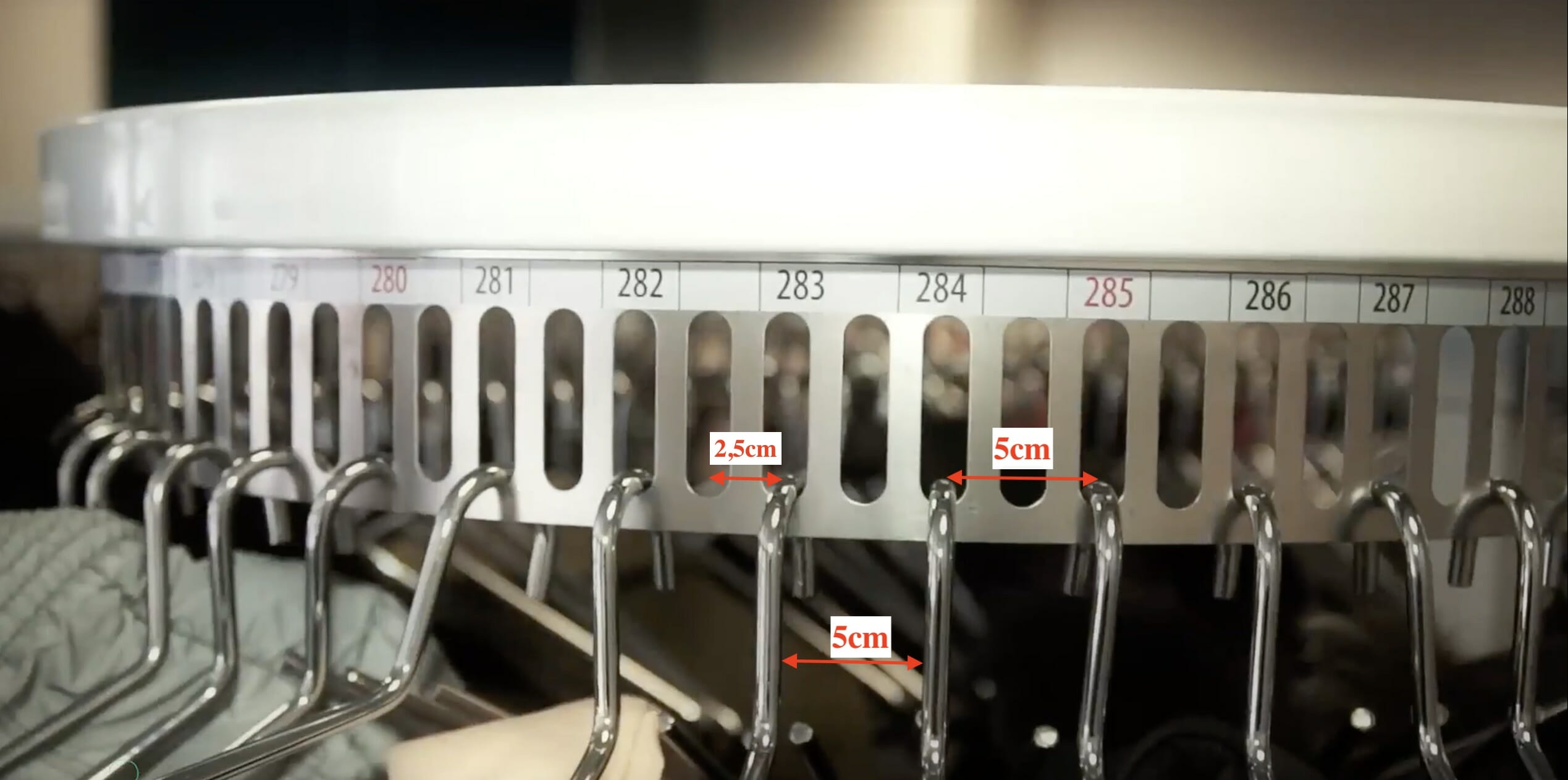
Clothes Conveyor Dimensions and Hanger Clearance
Home Conveyor Project Checklist
For a residential conveyor review, provide a sketch with usable dimensions, ceiling changes, doors and obstacles. Include photos, garment quantity, longest garment, preferred support method, controls and the delivery address. Indicate whether you need assistance discussing installation options.
No. A home clothes conveyor needs room for moving garments, access and surrounding fixtures. Final requirements depend on the selected configuration.
Can I install under a sloped ceiling?
Submit measurements at several points. A residential conveyor may be practical in selected layouts, but the whole travel path must clear the ceiling and obstacles.
Who confirms support and power?
The installer or relevant contractor should confirm site preparation against the equipment documentation. Coordinate these questions before finalizing the order.
Where are current models and prices?
Use the main product overview and official store links. This home clothes conveyor guide covers preparation; it does not replace the final model specifications or installation instructions.
Closet Carousels / Clothes Conveyors for Home Walk-in Closet
1 of 20
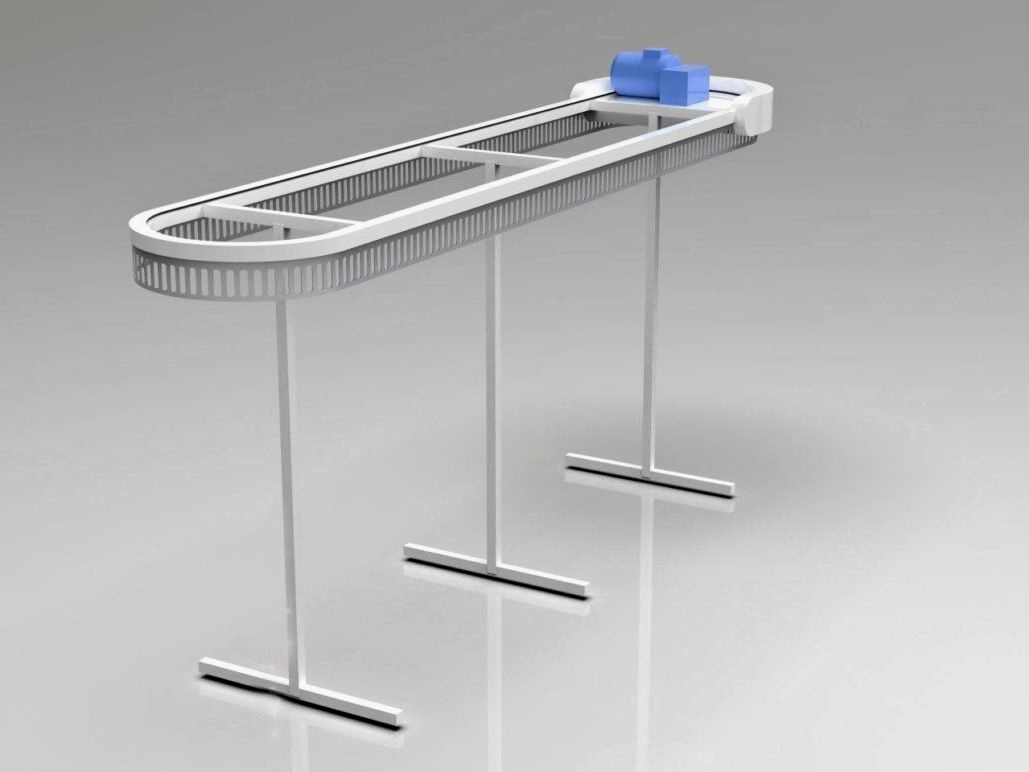
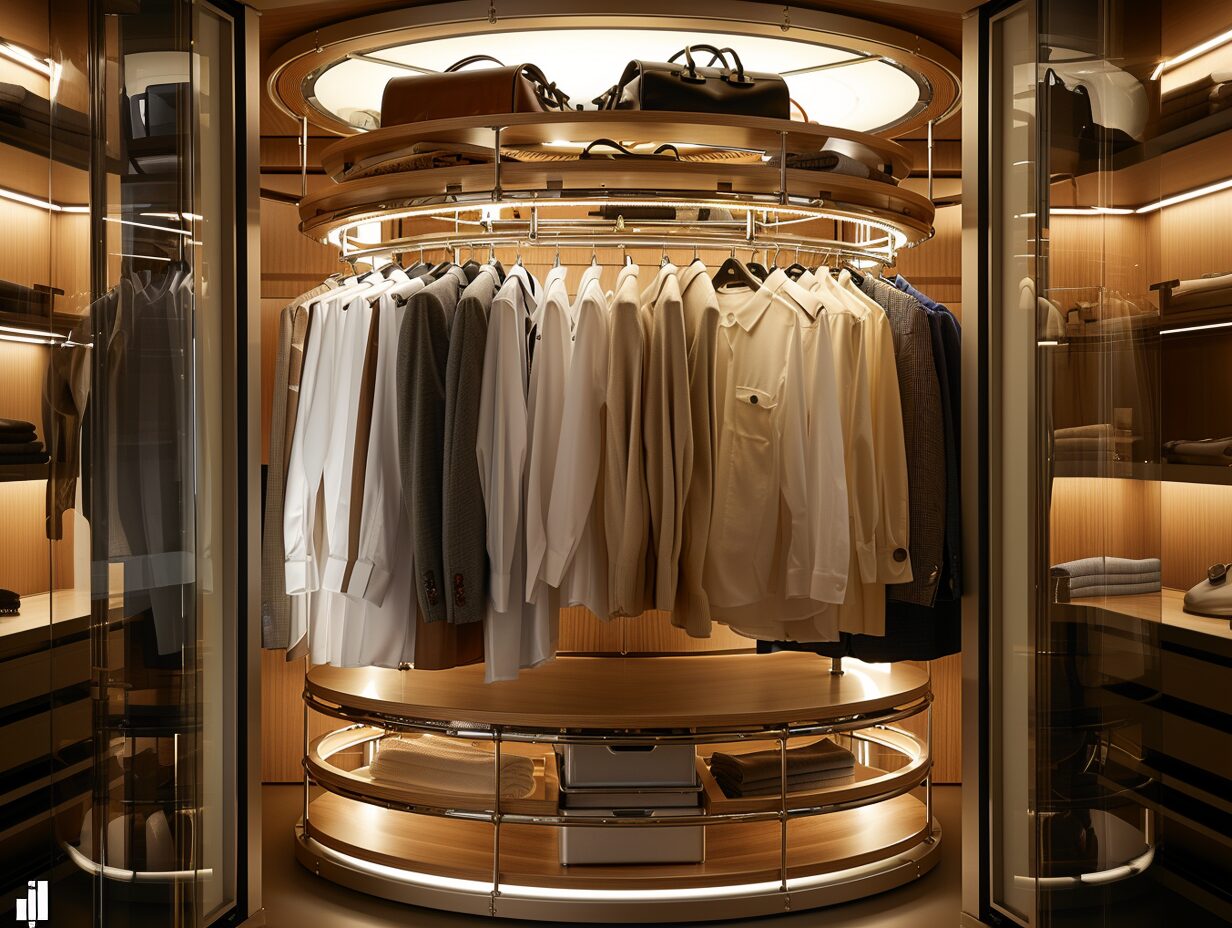
I-Shaped Layout
rotating closet carousel I-shape. This image highlights the Motorized Rotating Closet Rack, a cutting-edge solution for modern closet organization. Designed to optimize space and enhance accessibility, this motorized rack effortlessly rotates your clothing, bringing each item within easy reach. The sleek, minimalist design complements any closet décor, while the durable construction ensures long-lasting use. Ideal for those who value both style and functionality, the Motorized Rotating Closet Rack transforms your wardrobe into a seamlessly organized, easily accessible space.
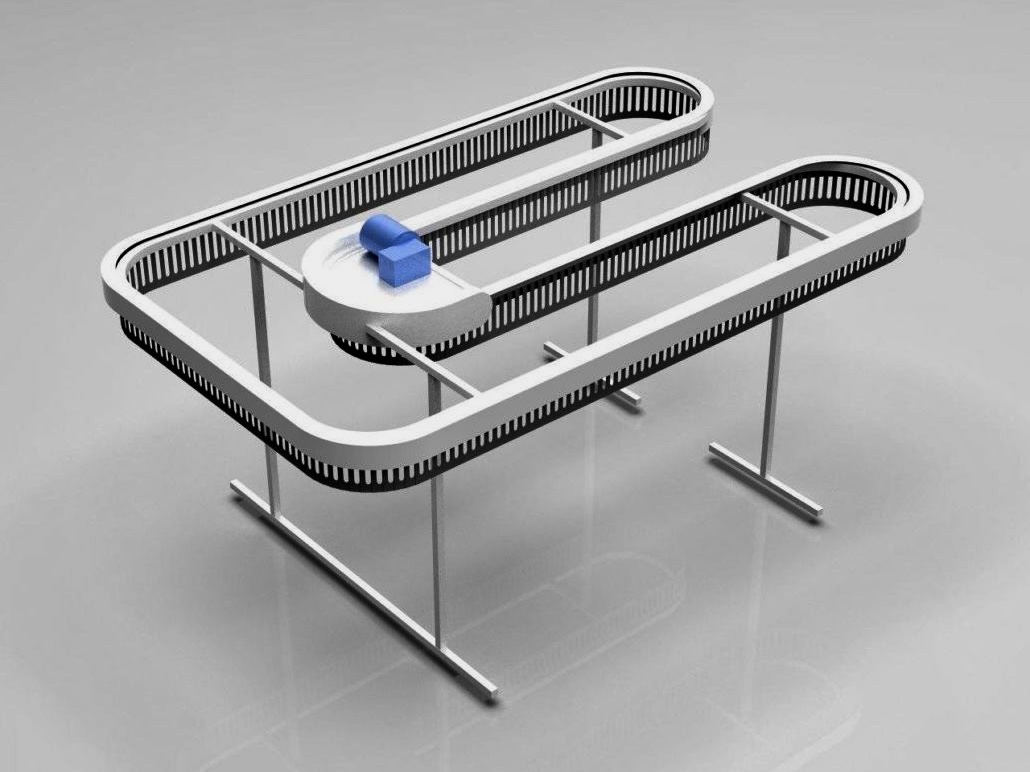
H-Shaped Layout
rotating closet carousel H-conveyor
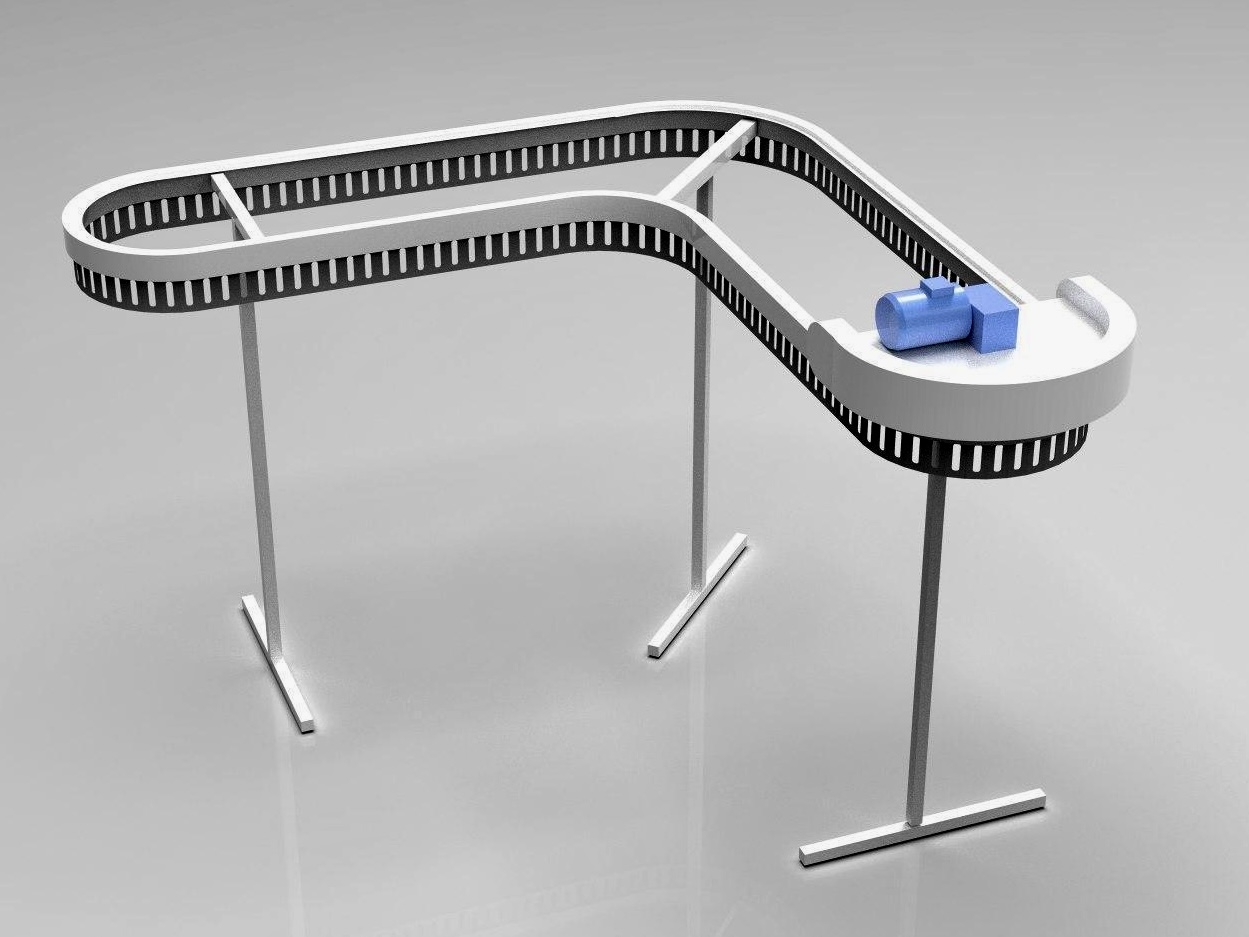
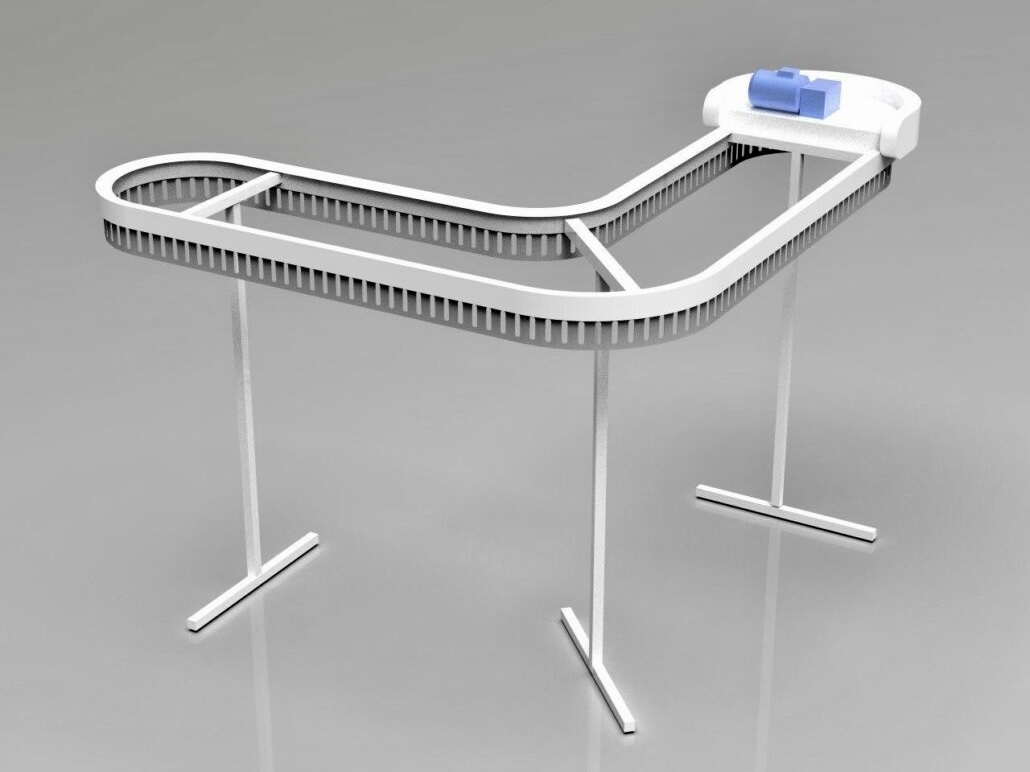
L-shaped Layout
closet carousel L-shape
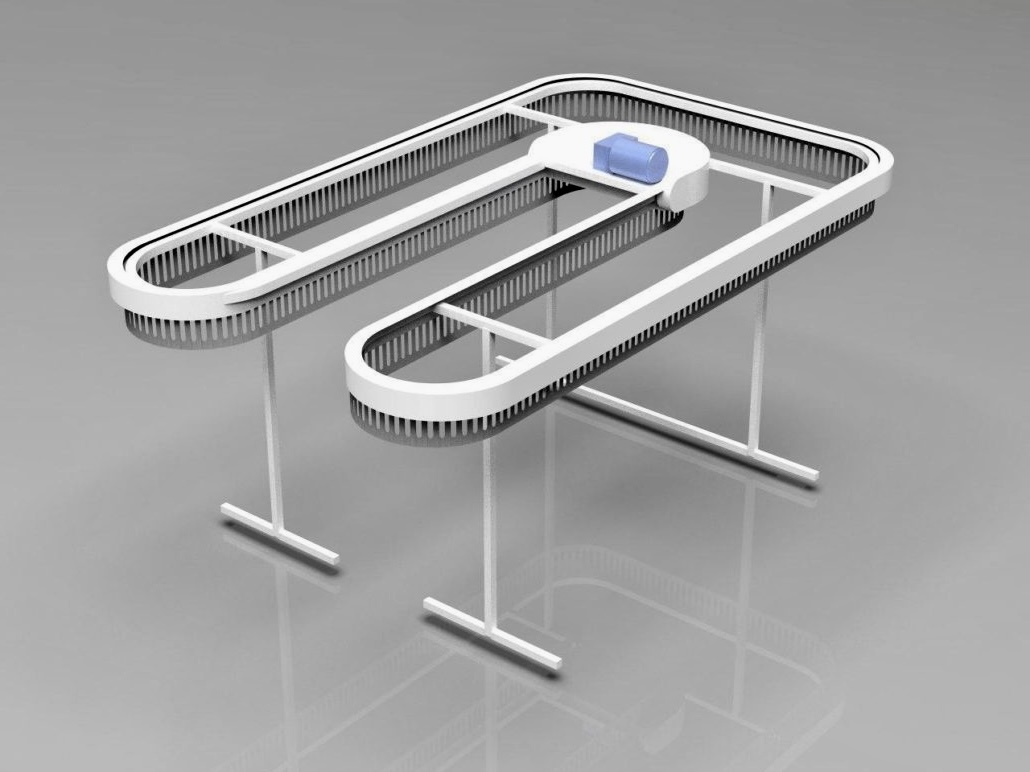
U-Shaped Layout
closet carousel U-shape
L- Shaped Layout
rotating closet carousel L-conveyor
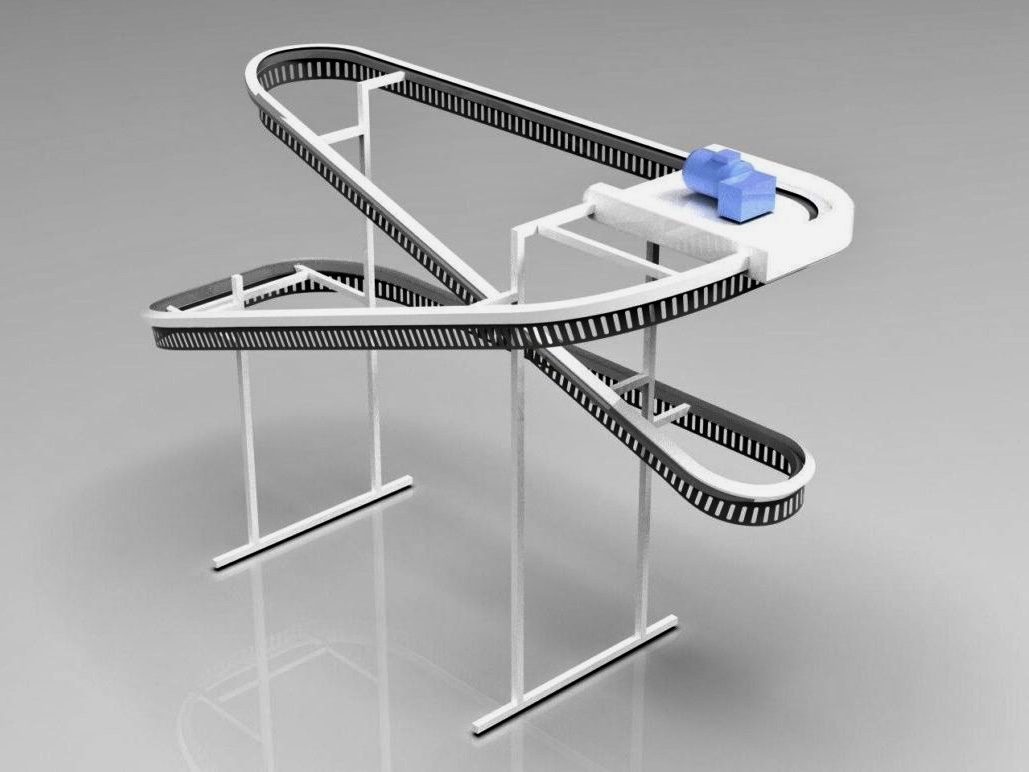
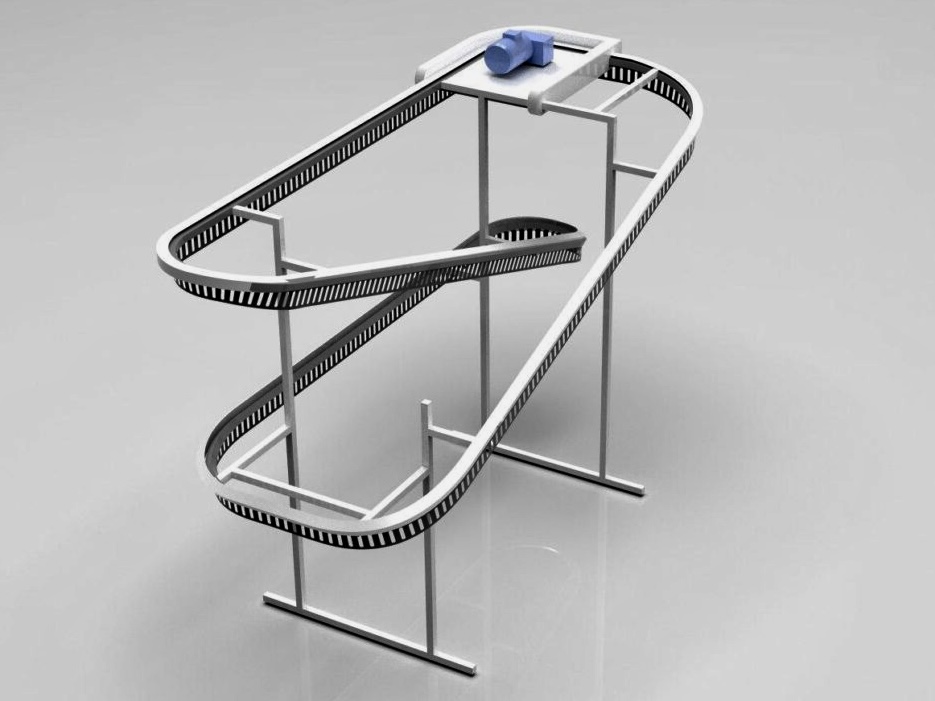
Z-Shaped Layout
closet carousel Z-shape
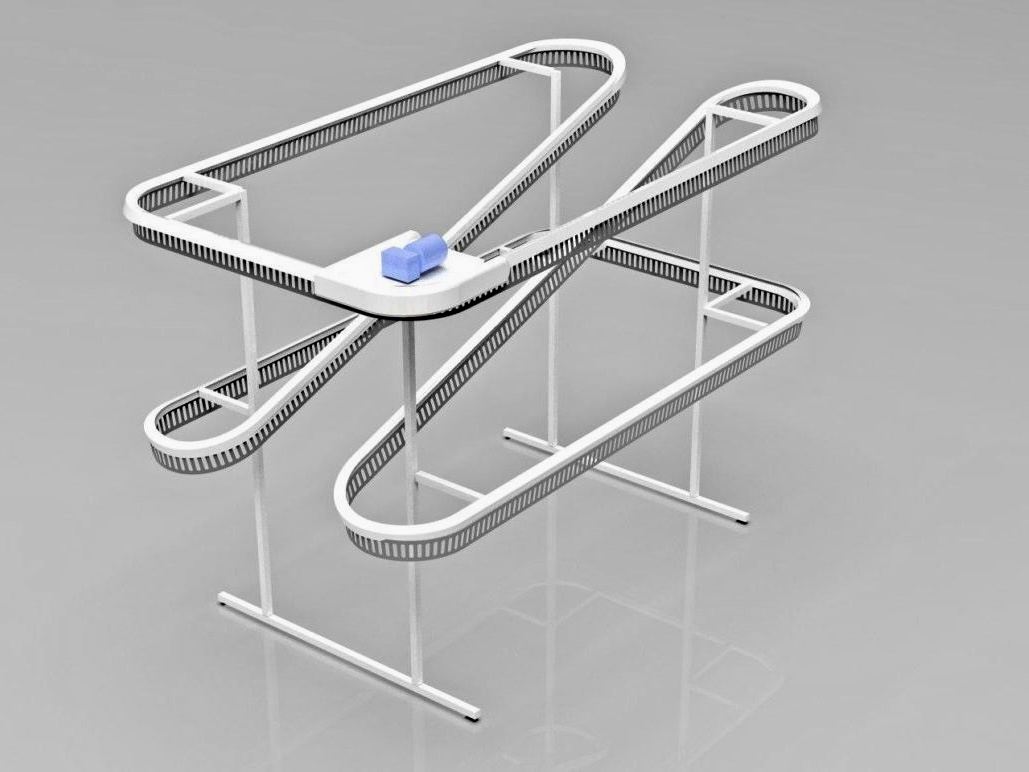
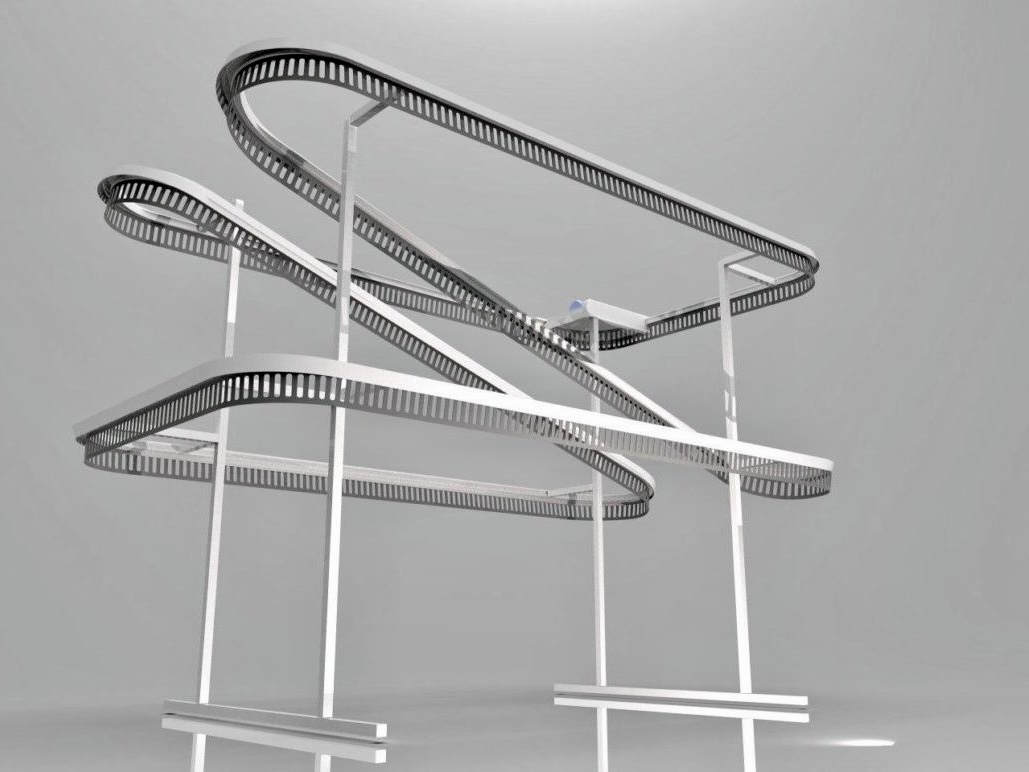
X-Shaped Layout
closet carousel X-shape
I-Shaped Layout
rotating closet carousel I-shape conveyor
H-Shaped Layout
rotating closet carousel H-shape conveyor
U-shaped Layout
closet carousel U-shape conveyor
Z-shape Layout
closet carousel Z-shape conveyor
Custom Multi-Path Layout
closet carousel Х-shape conveyor
walk-in wardrobe carousel
walk-in closet remodel ideas
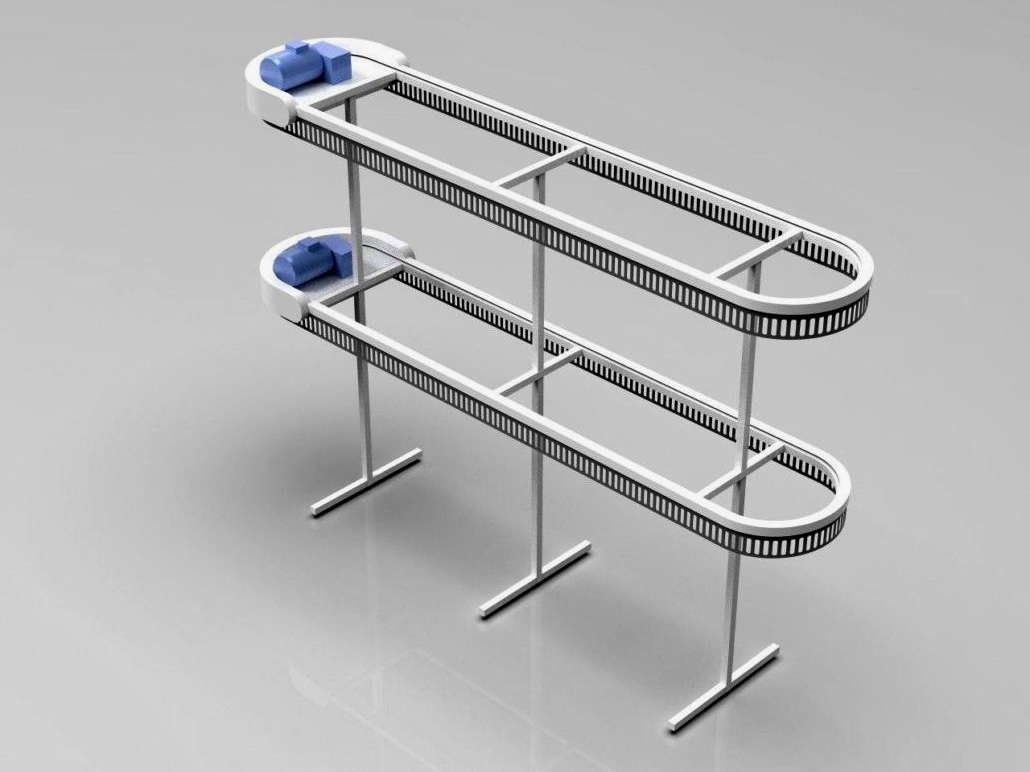
rotating closet carousel H
rotating closet carousel H. This image showcases the two-tier Rotating Closet Carousel, a sophisticated and space-efficient solution for organizing your wardrobe. The dual levels of this carousel allow for even more storage capacity, making it perfect for those with an extensive collection of clothes and accessories. Each tier rotates smoothly, bringing your items within easy reach, while the sturdy construction ensures durability and long-lasting performance. With its sleek design and enhanced functionality, the two-tier Rotating Closet Carousel is an ideal addition to any modern closet, offering a blend of practicality and luxury.